

Both LASIK and PRK use a laser and correct the same kinds of prescriptions. The real differences come down to how the surgeon reaches the cornea and how your eyes heal afterward, and those two factors shape which procedure suits which patient.
Keep reading to learn more about the differences between LASIK and PRK!
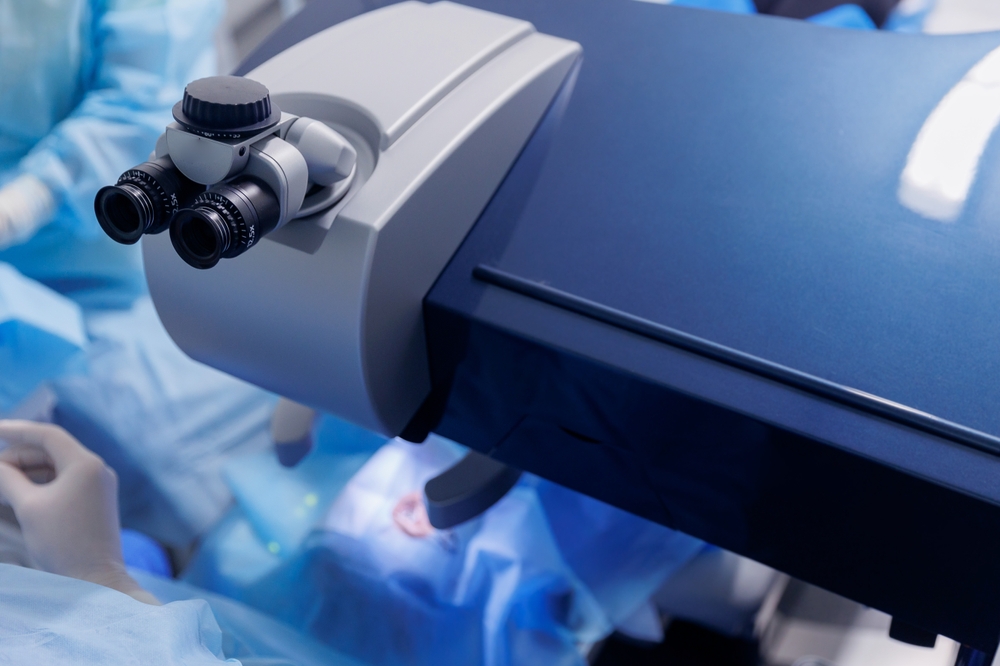
Both Procedures Have The Same Goal
Your cornea is the clear dome at the front of the eye, and its curve does much of the work of focusing light onto the retina. When that curve is slightly off, light lands in the wrong spot and the image you see is blurry. That mismatch is what causes refractive errors like nearsightedness, farsightedness, and astigmatism.
LASIK and PRK are both forms of refractive surgery that correct this by reshaping the cornea with an excimer laser that removes microscopic amounts of tissue with high precision. In both procedures, numbing drops keep you comfortable, and the treatment itself takes only minutes per eye. The laser step is essentially the same. What changes is everything that happens before and after it.
How Does LASIK Work?
During LASIK eye surgery, the surgeon first creates a very thin flap in the outer layer of the cornea. This flap can be made with a precise blade instrument called a microkeratome or with a femtosecond laser. The surgeon gently folds the flap back, uses the excimer laser to reshape the tissue underneath, and then lays the flap back into place.
No stitches are needed. The flap heals on its own and begins sealing within hours. Because the outer surface of the eye stays largely intact, healing tends to be quick and discomfort mild.
That flap is the reason LASIK has its reputation for fast results. Many patients notice clearer vision by the next day and return to most normal routines within a day or two. The flap also comes with a trade-off. It seals at the edges but never regains the full strength of untouched corneal tissue, so a hard, direct blow to the eye can shift it out of place, even years after surgery.
How Does PRK Work?
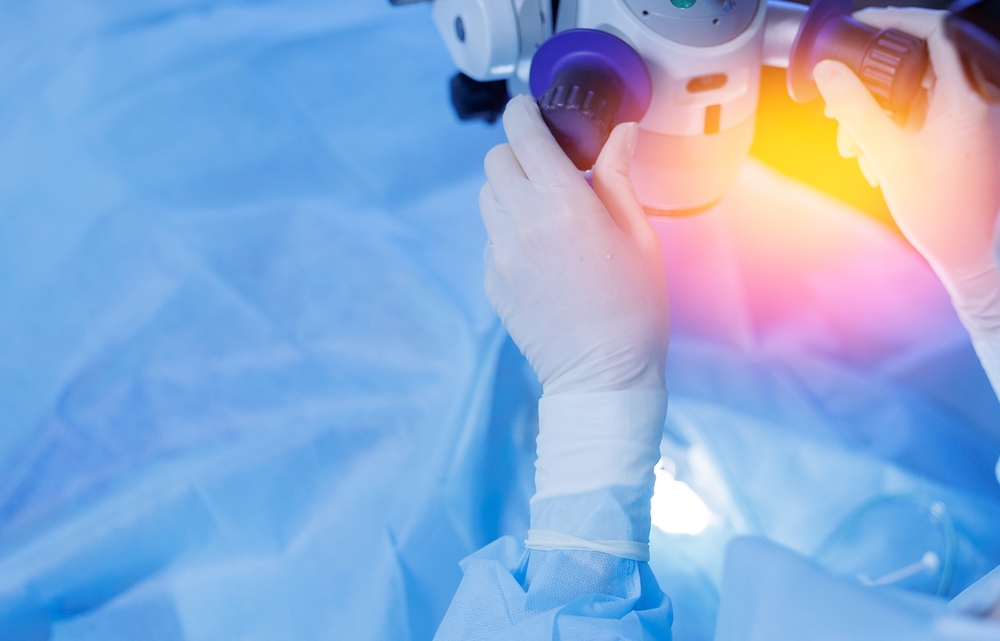
PRK, short for photorefractive keratectomy, skips the flap entirely. The surgeon removes the epithelium, the thin layer of surface cells covering the cornea, and then applies the excimer laser directly to the exposed surface.
Once the reshaping is done, the surgeon places a soft bandage contact lens over the eye. It protects the treated area while new surface cells grow back, which usually takes several days.
PRK was the first excimer laser procedure approved in the United States, and LASIK came along a few years later. Without a flap, PRK avoids that long-term vulnerability and leaves more of the cornea’s natural strength intact. That’s why PRK remains the preferred option for some patients today.
Recovery Differences With PRK and LASIK
Ask patients who’ve had each procedure what felt different, and most will talk about the first week.
The First Few Days After LASIK
After LASIK, you can expect some scratchiness, watering, or light sensitivity for the rest of the day. Most people go home and rest, and many wake up the next morning seeing far more clearly than before. Your surgeon will check your eyes the following day, and most patients are cleared to drive and return to work shortly after that visit. Vision can fluctuate a little over the first few weeks as the eye settles.
The First Few Weeks After PRK
PRK asks for a little more patience. The first two to three days are usually the most uncomfortable, with light sensitivity, tearing, and a gritty feeling while the surface cells regrow. Your vision will be usable but hazy at first, and it sharpens gradually over several weeks. Some patients take a month or more to reach their final clarity.
If you’re planning for PRK, a few practical steps make the recovery easier:
- Plan to take several days off work, especially if your job involves screens or driving.
- Arrange for someone to drive you until your surgeon confirms your vision meets the legal standard.
- Expect a follow-up visit within the first week, when the bandage contact lens is removed.
- Use your prescribed drops on schedule, since they support comfort and healing.
Once healing is complete, long-term visual results from LASIK and PRK are generally similar. The biggest difference is how long it takes to get there.
Who is a Candidate for Each Procedure?
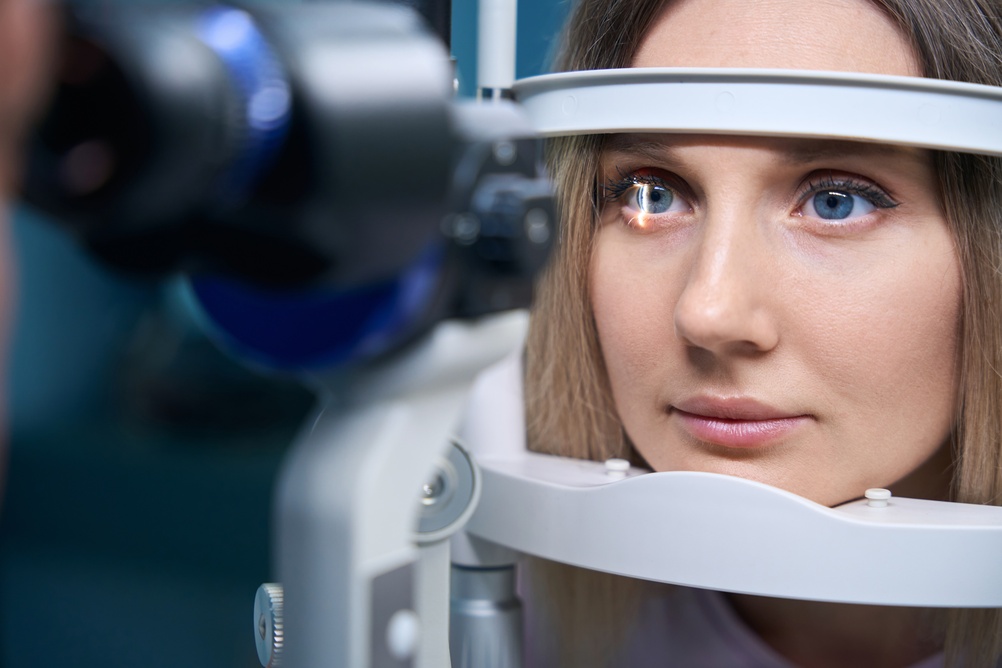
Many people qualify for both procedures, and in those cases the choice often comes down to recovery time and personal preference. For others, the measurements taken during a consultation point clearly toward one option.
Being a good candidate for LASIK depends on having stable vision, a healthy eye surface, and enough corneal thickness to create a flap while leaving a safe amount of tissue beneath it. When one of those requirements isn’t met, PRK often becomes the recommended option.
Several factors can tip the decision in that direction:
- Corneas that are thinner than average
- Slight irregularities in corneal shape seen on mapping
- Contact sports, martial arts, or military and law enforcement work, where a blow to the eye could dislodge a flap
- A history of dry eye that a flap could aggravate
The dry eye concern comes from how LASIK affects tear production. Creating the flap temporarily cuts some of the corneal nerves that signal your eyes to make tears, so dryness is a common short-term side effect. People who already have dry eye syndrome may do better with PRK, or may need their dry eye treated before any laser procedure. Your surgeon will evaluate your tear film along with your prescription.
Custom Treatment Applies to Both
Standard laser correction treats the same errors that glasses do. Your eyes also have subtler optical flaws, called higher order aberrations, that can contribute to glare and halos at night.
With custom wavefront treatment, these aberrations are measured first and programmed into the laser, so the correction is mapped to your individual eye. That option is available with either LASIK or PRK.
Erdey Searcy Eye Group offers advanced refractive surgery options under one roof, including flap-based LASIK, surface PRK, wavefront-guided treatment, refractive lens exchange, and the EVO ICL, a lens implanted inside the eye. Having that full range in one practice means the recommendation can follow your eye’s measurements, and patients who aren’t suited to laser surgery have other options to consider.
Choosing Between Them
A refractive consultation includes corneal mapping, thickness measurements, a tear film evaluation, and a conversation about your work, hobbies, and how much downtime you can manage. With that information, your surgeon can explain which procedure fits your eyes and why. For patients across Columbus, OH, that visit turns a general comparison into a specific plan.
Wondering whether LASIK or PRK is the better fit for your eyes? Schedule an appointment at Erdey Searcy Eye Group in Columbus, OH.
