
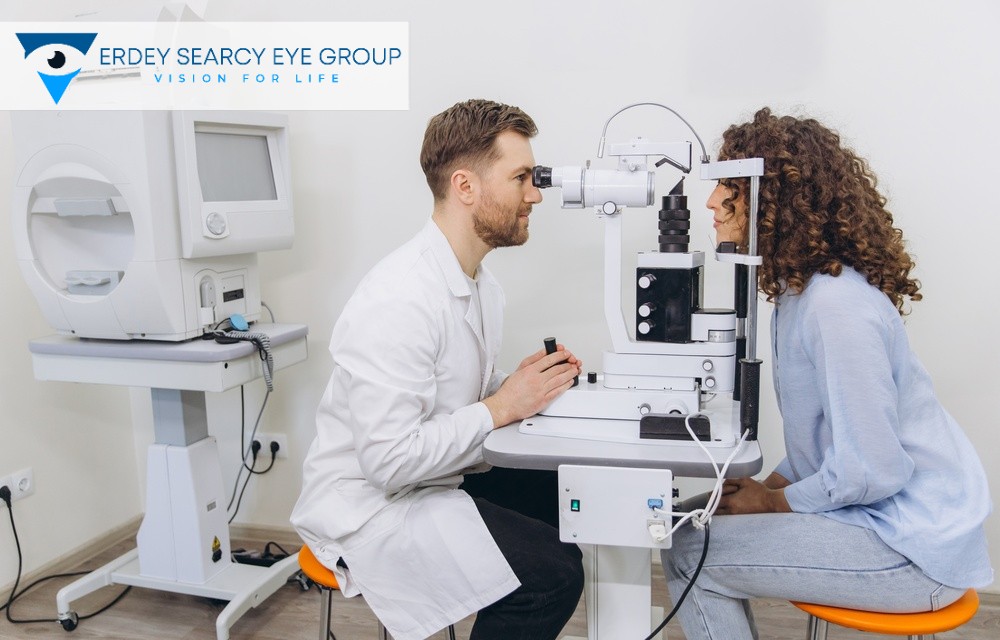
If you have diabetes, your doctor has probably told you about the importance of regular eye exams. However, many people don’t know exactly how often those checkups should happen or when the first one is due. The answer often depends on the type of diabetes you have and what your eye doctor found at your last visit.
Here is how the schedule usually works and what can change it.
The General Rule for Most Adults With Diabetes

For most adults with diabetes, the American Academy of Ophthalmology and the American Diabetes Association recommend a dilated eye exam once a year. That holds even if your vision seems sharp and your glasses prescription hasn’t changed.
A yearly diabetic eye exam gives your eye doctor a regular look at the retina, the light-sensitive tissue at the back of the eye. In people with diabetes, high blood sugar over time can damage the tiny blood vessels in this part of the eye. Weakened vessel walls may leak fluid or blood into the retina. Some vessels can also close off and cut the retina’s oxygen supply, and the eye may respond by growing fragile new vessels that bleed easily.
These changes usually start small and progress slowly. A yearly check lets your doctor compare each exam with the last one and spot a trend before it affects your sight.
When to Schedule Your First Exam
The timing of your first exam depends on which type of diabetes you have.
Type 1 Diabetes
For people with type 1 diabetes, guidelines generally recommend the first dilated eye exam within five years of diagnosis. Eye damage from type 1 diabetes rarely appears in the first few years, so this window allows time to establish care without missing early changes.
Type 2 Diabetes
With type 2 diabetes, the first exam should happen at diagnosis or soon after.
Type 2 diabetes often develops quietly, and blood sugar may have been elevated for years before a blood test confirmed it. Some people already have early signs of diabetic retinopathy, the most common diabetes-related eye disease, at their very first visit. Finding it early gives you and your doctor the widest range of options.
Situations That Call for More Frequent Visits
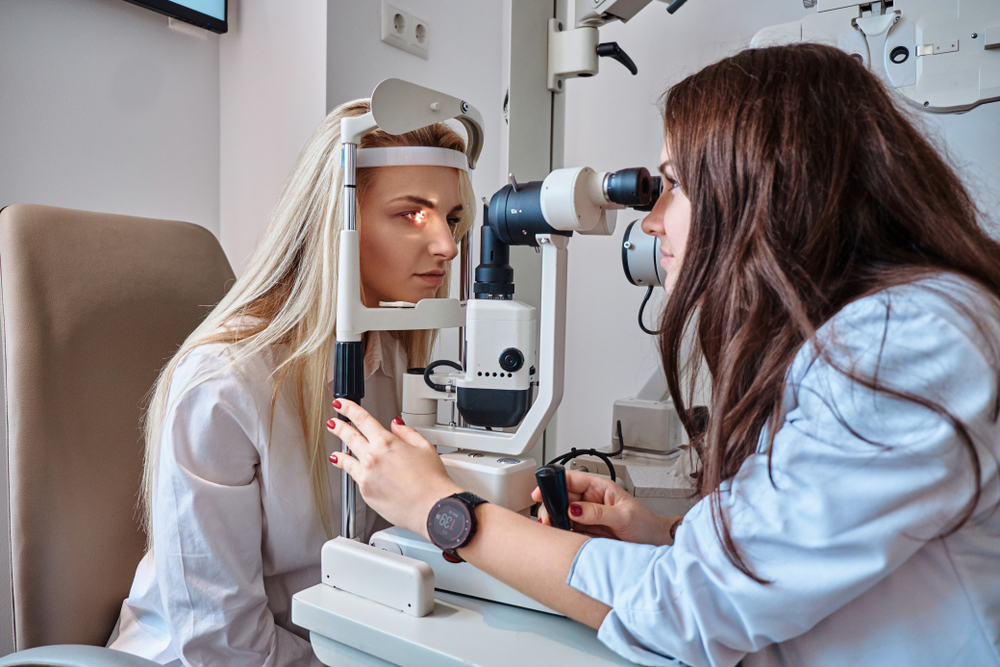
Once a year is a starting point. Your eye doctor may ask to see you every few months if your exam results or your overall health put your eyes at higher risk.
A shorter interval is common in situations like these:
- A diagnosis of diabetic retinopathy, especially if it is moderate or more advanced
- Diabetic macular edema, a swelling of the central retina that affects detailed vision
- Pregnancy in someone who already has type 1 or type 2 diabetes
- Blood sugar or blood pressure that has been hard to keep in a healthy range
- Ongoing treatment with eye injections or laser therapy, which requires follow-up visits
Retinopathy can progress faster during pregnancy, so women with type 1 or type 2 diabetes are usually advised to have an eye exam before conceiving or early in the first trimester, followed by closer monitoring until after the baby arrives. This guidance generally does not apply to gestational diabetes, which develops during pregnancy, but your obstetrician can tell you what fits your situation.
Diabetes also raises the risk of other eye conditions that benefit from regular monitoring. People with diabetes have a higher chance of developing glaucoma, which damages the optic nerve, often because of pressure inside the eye. They also tend to develop cataracts at a younger age, since elevated blood sugar affects the clarity of the eye’s natural lens. If either condition is found, your visit schedule may change to track it.
For some adults whose diabetes is well controlled and whose exams have shown no retinopathy for a year or more, guidelines allow an eye doctor to consider exams every one to two years. Your eye doctor will decide whether a longer interval makes sense for you, so stick with yearly exams until they say otherwise.
What Happens During a Diabetic Eye Exam
A diabetic eye exam is a comprehensive eye exam with extra attention on the retina and optic nerve. It is far more thorough than the quick vision screening you might get when renewing a driver’s license.
The visit usually starts with an eye chart, which lets your doctor measure visual acuity, or how clearly you see at different distances. A tonometry test measures the pressure inside your eyes to screen for glaucoma. Then your doctor places drops in your eyes to dilate, or widen, your pupils. Dilation lets the doctor see much more of the retina and spot small hemorrhages or leaking vessels that wouldn’t be visible through an undilated pupil. Some exams also include imaging that captures detailed pictures of the retina for comparison at future visits.
The dilating drops take about 20 to 30 minutes to work, and the effect usually lasts a few hours. During that time, bright light may feel uncomfortable and close-up reading can be blurry. Bring sunglasses, and plan for someone else to drive you home if you can.
Symptoms That Shouldn’t Wait for Your Next Appointment

Some changes need attention sooner, even if your yearly exam is months away.
Contact your eye doctor right away if you notice any of the following:
- A sudden shower of new floaters or flashes of light
- A shadow or curtain spreading across part of your vision
- Sudden blurring or loss of vision in one or both eyes
- Eye pain or redness, especially with a headache or nausea
These can be signs of bleeding inside the eye or a retinal detachment. Eye pain with nausea can point to a sudden spike in eye pressure. Urgent eye problems like these need a prompt exam that includes a careful look at the retina, so call instead of waiting to see whether they improve.
Making Eye Exams Part of Your Diabetes Care
Many people find it helpful to tie their yearly eye exam to another regular appointment, like an A1C check, so it doesn’t slip off the calendar. Eye care works best when it’s coordinated with the rest of your diabetes care, and your eye doctor can share results with your primary care physician or endocrinologist.
Is it time for your yearly diabetic eye exam? Schedule an appointment at Erdey Searcy Eye Group in Columbus, OH.

